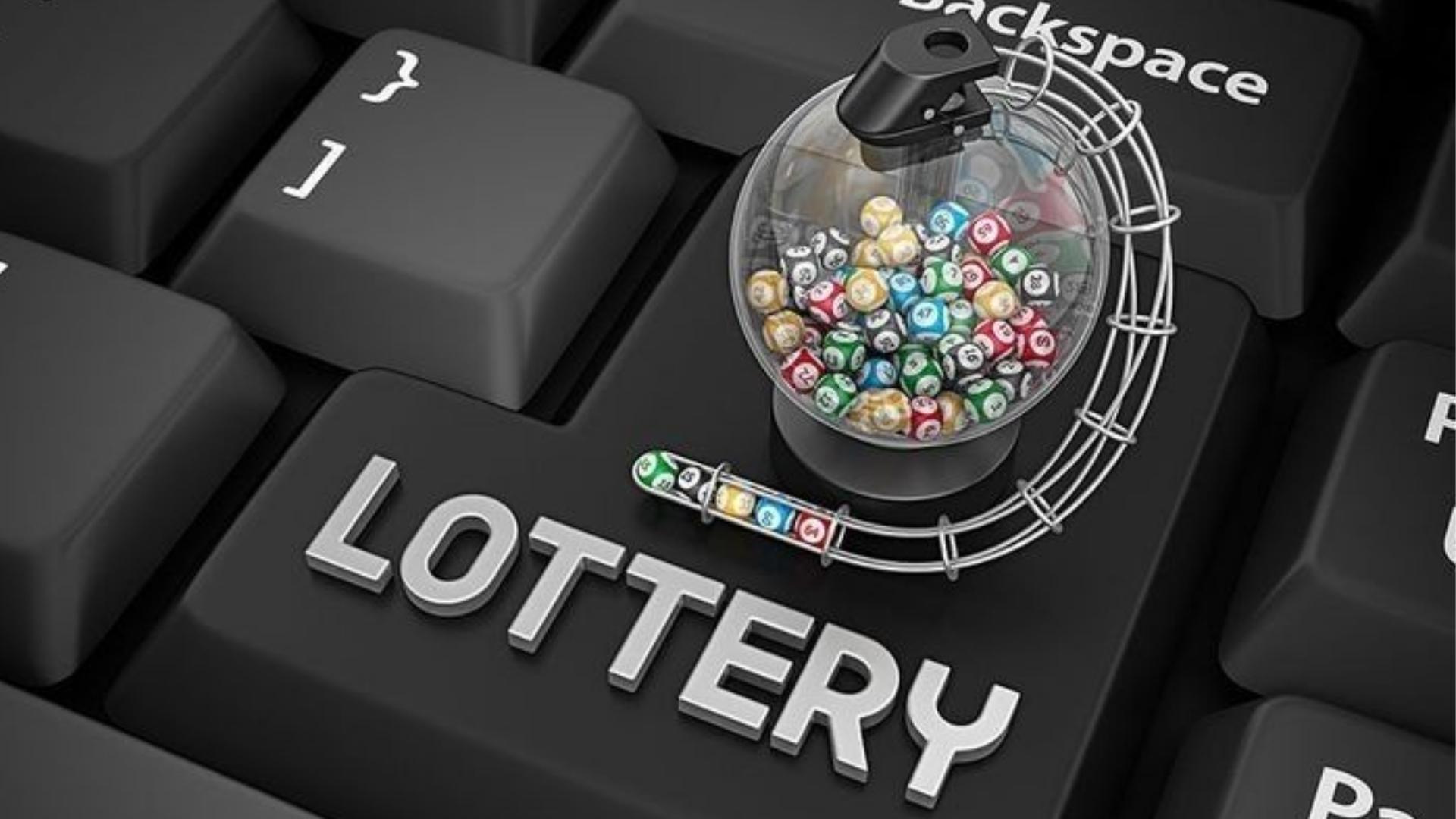
Understanding how payouts are determined is essential for anyone exploring numerical wagering and lotteries. Two primary systems govern these formats: fixed odds and pari-mutuel setups. Each model handles prize structures, player risk, and payout distribution in distinct ways.
How Fixed Odds Number Games Function
In a fixed odds system, the payout ratio is determined before the player places their entry. Participants know precisely how much they stand to win based on their stake regardless of how many other participants join. This predictability allows players to calculate potential returns with exact mathematical clarity.
The operator assumes the financial risk in fixed odds formats because payouts remain consistent. If a large number of players select the winning digits, the host must fulfill every winning payout at the established rate. This structure is common in daily digit draws and specialized arcade-style selection games.
Understanding the Pari-Mutuel Prize Pool Model
Pari-mutuel number games operate on a shared pool system where total entry fees are gathered together. After the operator deducts a management percentage, the remaining prize pool is divided equally among all winning tickets. Consequently, individual payout values fluctuate depending on total participation and the total count of winners.
When few players guess the winning numbers, individual payouts increase significantly. Conversely, if many players pick the winning set, the shared payout per winner decreases. Popular nationwide lotteries frequently utilize this pooled approach to generate massive jackpot amounts over time.
Comparing Risk, Return, and Player Preference
The main difference between fixed odds and pari-mutuel systems lies in payout certainty versus payout potential. Fixed odds offer guaranteed multipliers, which appeal to players who prefer predictable rewards for specific outcomes. Pari-mutuel systems offer variable returns, attracting those interested in rolling prize pools that grow over successive draws.
Choosing between these two models depends largely on personal preference for payout transparency versus dynamic prize potential. Both formats rely on audited random number generators to ensure fair play across every session. Understanding these mechanics helps players make informed decisions when selecting their preferred gaming style.
Choosing the Right Format for Your Strategy
Players looking for short-term sessions often gravitate toward fixed odds for their consistency. Knowing the exact return on investment before entering simplifies bankroll management and strategy tracking. This clarity makes fixed odds ideal for quick-draw and structured interval games.
On the other hand, pari-mutuel games remain unmatched in their ability to deliver massive, life-changing prize totals. Even small entry fees can yield high returns if an unusual number combination avoids shared wins. Deciding which format to play comes down to whether a player values guaranteed odds or expansive prize potential.