The layout of traditional gaming rooms was carefully planned to balance architectural elegance with strict spatial control. Unlike modern casinos that prioritize rapid game speed and massive foot traffic, older European gambling houses treated table setups as prestigious focal points. By exploring the physical organization of these historic gaming spaces, we gain a clearer understanding of how atmosphere and social hierarchy influenced early casino operations.
The Grand Architecture of the High Stakes Alcove
Classic gambling houses typically isolated their premium card games within dedicated salons or deeply recessed alcoves to maintain an aura of exclusive luxury. This architectural choice helped separate high-stakes participants from casual onlookers, creating a quiet environment essential for intense concentration. The physical boundaries of the room directly reinforced the perceived importance of the game taking place inside.
Within these private spaces, the large oval tables served as the visual centerpiece, positioned precisely to maximize visibility for the dealers while managing participant clearances. Heavy velvet drapes and specialized overhead lighting were commonly deployed to frame the playing area and eliminate outside distractions. This deliberate design ensured that every individual at the table felt integrated into a highly coordinated social ritual.
Seating Layouts and the Flow of Play
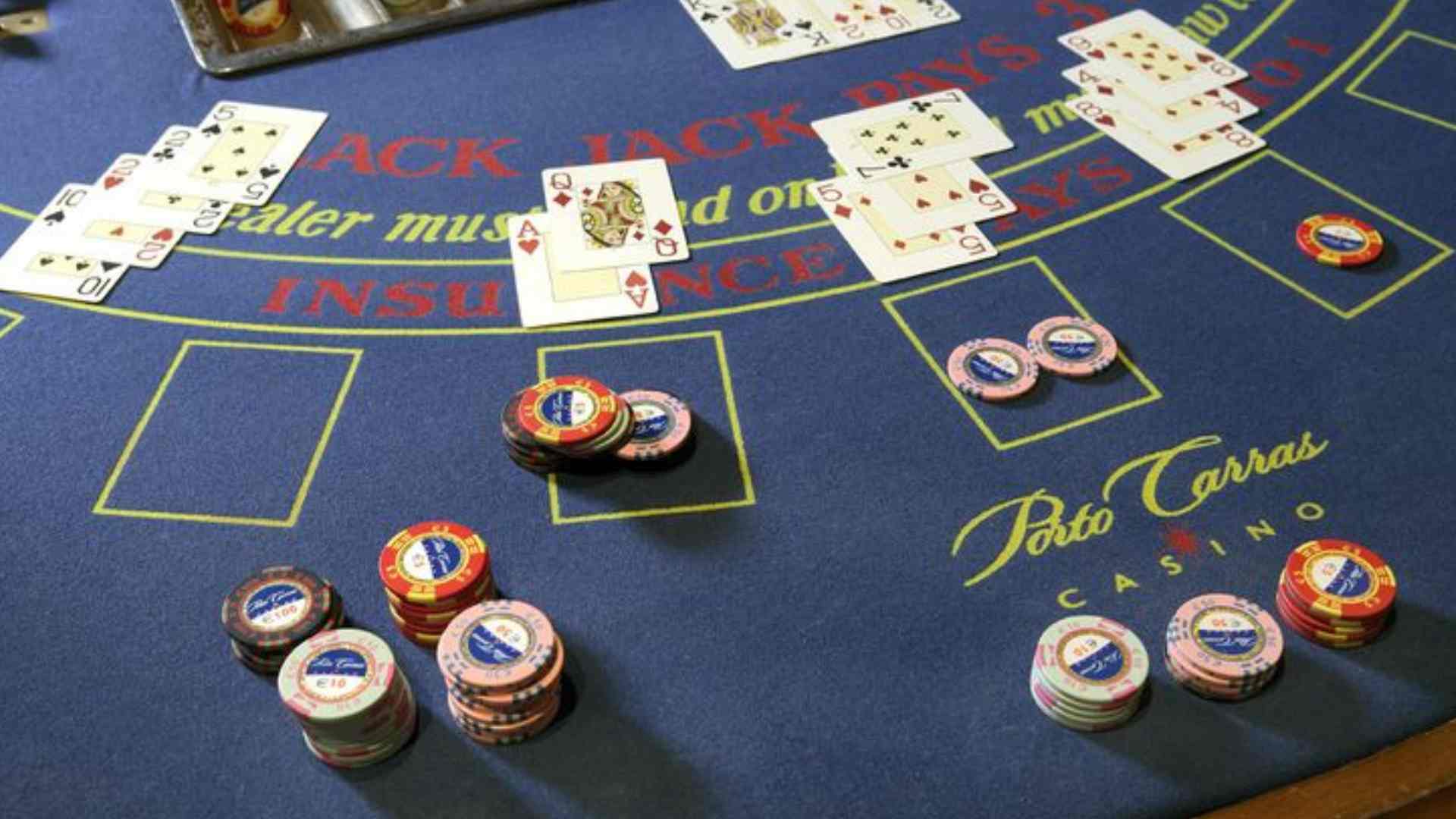
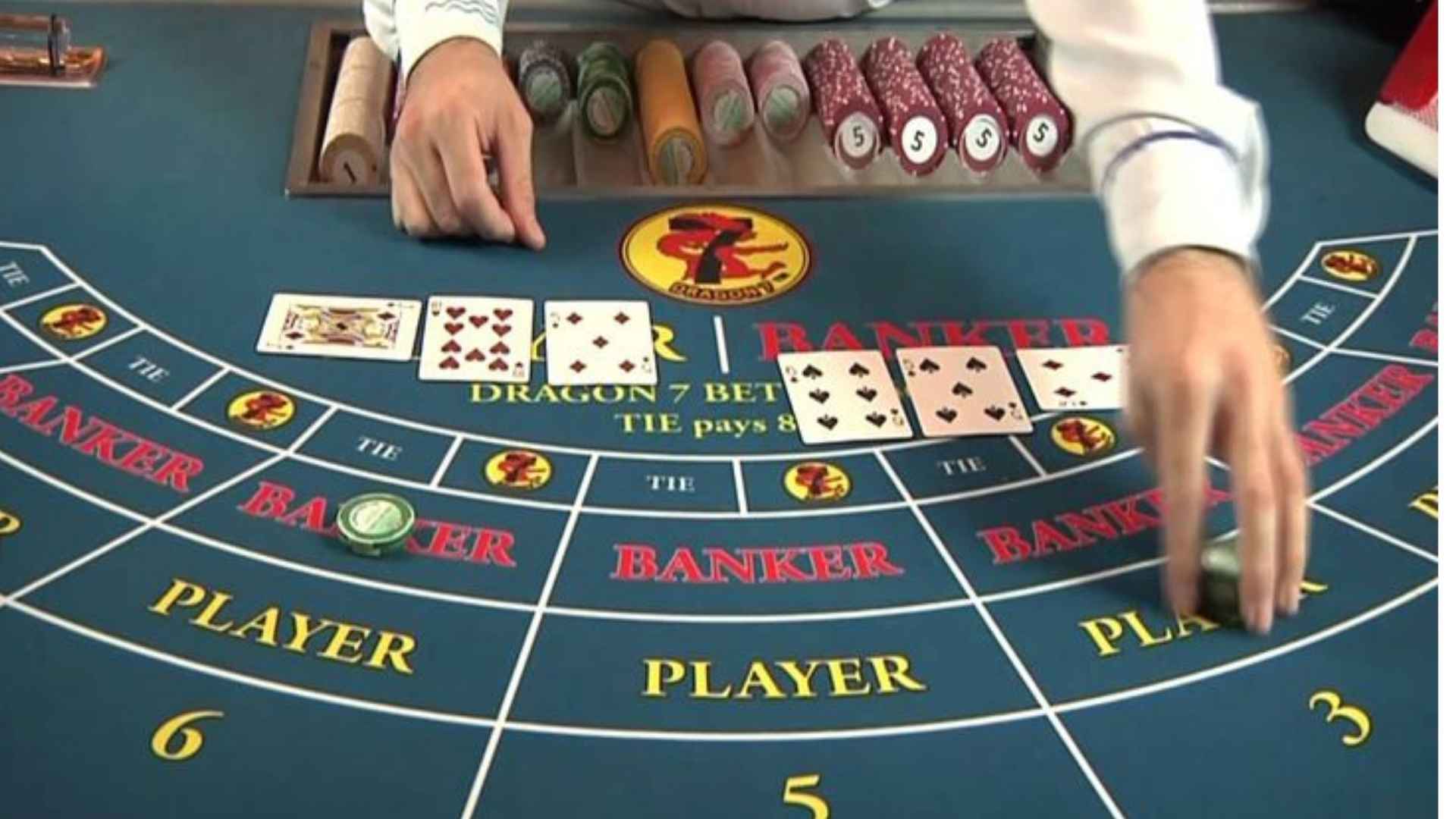
The positioning of participants around a classic table followed rigid geometric guidelines to ensure operational fairness and clear sightlines. Most traditional venues used oversized oval or double-loop table designs that accommodated a larger number of active players compared to modern blackjack setups. Each specific seat number corresponded to a precise spot on the layout, determining the order in which cards arrived.
Dealers and croupiers occupied central vantage points, allowing them to monitor all active wagers and manage the card discard buckets without disrupting the participants. This centralized placement was critical for maintaining order during complex rounds where banking responsibilities shifted between players. Modern enthusiasts tracking the evolution of these sophisticated table dynamics can visit platforms like m88 to observe how digital software translates these historic seating boundaries into virtual gaming interfaces.
Crowd Control and Visibility Boundaries
Managing the physical space surrounding the table was just as important as organizing the seating layout itself. Classic gambling houses implemented strict rules regarding how closely spectators could approach the active playing boundary. This separation preserved the security of the cards and protected the privacy of wealthy patrons during high-value rounds.
The perimeter around the table often featured low railings or padded barriers that designated clear standing zones for authorized guests. By keeping the immediate playing area clear, the house ensured that supervisors could easily spot irregular movements or handling errors. This careful separation of players, spectators, and staff created a secure environment that established the foundation for modern casino surveillance systems.
The Spatial Legacy of Historic Game Management
The meticulous organization of early gaming tables proves that casino layout design has always been a blend of psychology and security. Every element, from the clearance behind the chairs to the angle of the overhead lights, was engineered to elevate the playing experience. While digital evolution has modified how people access these games, the foundational rules of spatial management remain highly influential.
Understanding these older organizational methods provides valuable perspective on how modern entertainment venues manage guest comfort and operational integrity. Traditional gambling houses successfully proved that a well-structured room naturally commands respect and enhances the strategic nature of card games. Ultimately, the historic table layout remains a testament to the enduring relationship between architecture, human behavior, and game mechanics.