Modern gamification models rely heavily on incentive systems to keep audiences engaged and motivated over time. Organizations and digital platforms are moving away from traditional one-size-fits-all formats to implement more dynamic architectures. This shifting approach helps create a more sustained sense of achievement while fulfilling diverse user expectations across the globe.
The Predictable Journey of Fixed Systems
Fixed ratio reward frameworks provide points or bonuses after a specified, pre-determined number of actions are successfully completed. These predictable systems establish a clear connection between effort and outcome, allowing participants to plan their progression with absolute certainty. The straightforward nature of this system builds fundamental trust and offers a clear roadmap for personal milestone completion.
However, relying solely on highly predictable routines can eventually lead to drops in enthusiasm once the specific milestone is reached. To counteract this, modern developers often mix fixed milestones with sudden events to keep the user experience multi-dimensional. Balancing transparency with unexpected milestones helps maintain long-term digital interaction and participant dedication.
The High Engagement of Unpredictable Milestones
Variable reward systems distribute gifts at irregular intervals, ensuring that the exact timing of the prize remains an absolute surprise. Psychological research demonstrates that this specific type of uncertainty creates a heightened state of anticipation and focus. Because the very next action could result in a significant breakthrough, participants naturally remain active within the digital ecosystem for longer durations.
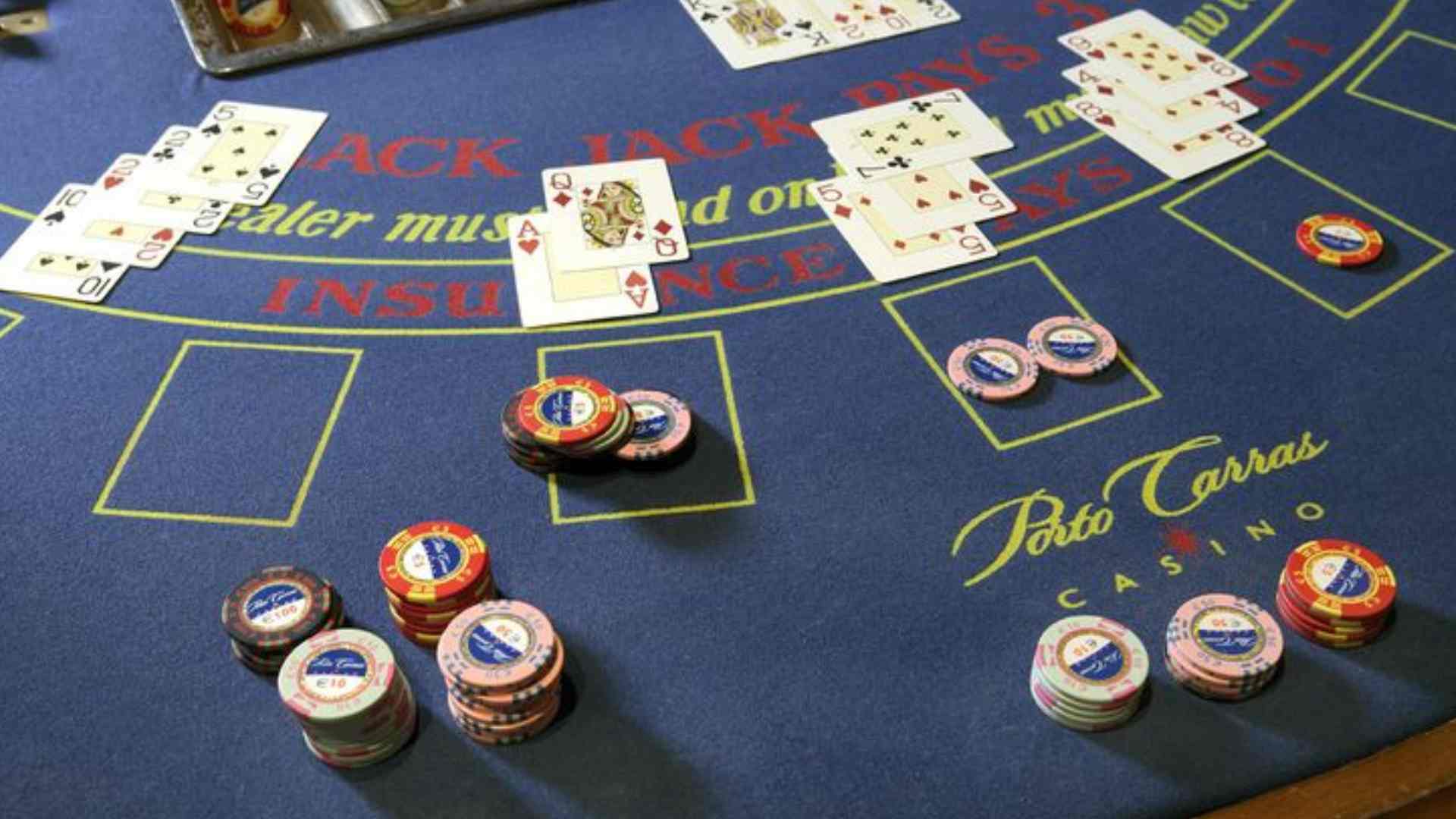
This mechanism is highly visible in competitive gaming spaces and specialized engagement hubs such as m88, where randomized bonuses are leveraged to maximize community excitement. The ongoing novelty prevents regular activities from feeling repetitive or dry over time. By transforming regular interactions into suspenseful highlights, platforms can naturally build much stronger user loyalty.
Progressive Formats and Social Tiers
Tiered incentive systems group rewards into escalating levels based on cumulative effort, skill development, or platform contribution. As individuals unlock higher statuses, they gain access to increasingly premium perks that casual participants cannot acquire. This structural progression appeals strongly to the natural human desire for social recognition, visible mastery, and elite community status.
Additionally, adding social elements where groups work toward a single community milestone dramatically improves team cohesion. Shared objectives foster lively discussions, collective strategies, and peer support across forums and interactive dashboards. Ultimately, combining individual tier growth with cooperative community tasks establishes a balanced, multi-faceted reward culture.