Tabletop gaming has transformed into a dynamic arena where players can safely test their cognitive limits and experiment with original ideas. Modern board games have moved far beyond predictable roll-and-move mechanics, prompting participants to develop creative solutions for complex situations. This intellectual challenge offers an engaging way for families and friends to exercise critical thinking together.
The Psychology of Divergent Thinking on the Board
Recent behavioral research indicates that modern strategy games directly stimulate creative problem-solving by presenting open-ended tactical mysteries. Unlike structured digital applications, physical game pieces allow players to manually manipulate components, which helps them visualize unique outcomes. This interactive environment trains the human brain to form flexible plans and discover unexpected avenues to victory.
As participants encounter dynamic restrictions, they are forced to adapt their overarching strategies on the fly. This repetitive cycle of trial and error builds a resilient mindset that embraces calculating hidden risks. Over time, individuals who regular engage in these low-stakes mental exercises report higher confidence when dealing with complex real-world challenges.
Cooperative Challenges and Shared Innovation
Many contemporary board games emphasize cooperative objectives where players must collaborate to defeat a shared game mechanism. These cooperative scenarios mirror modern workplace environments, requiring clear communication and the integration of multiple distinct viewpoints. To overcome these complex obstacles, teams must pool their strategic ideas and devise unconventional paths forward.
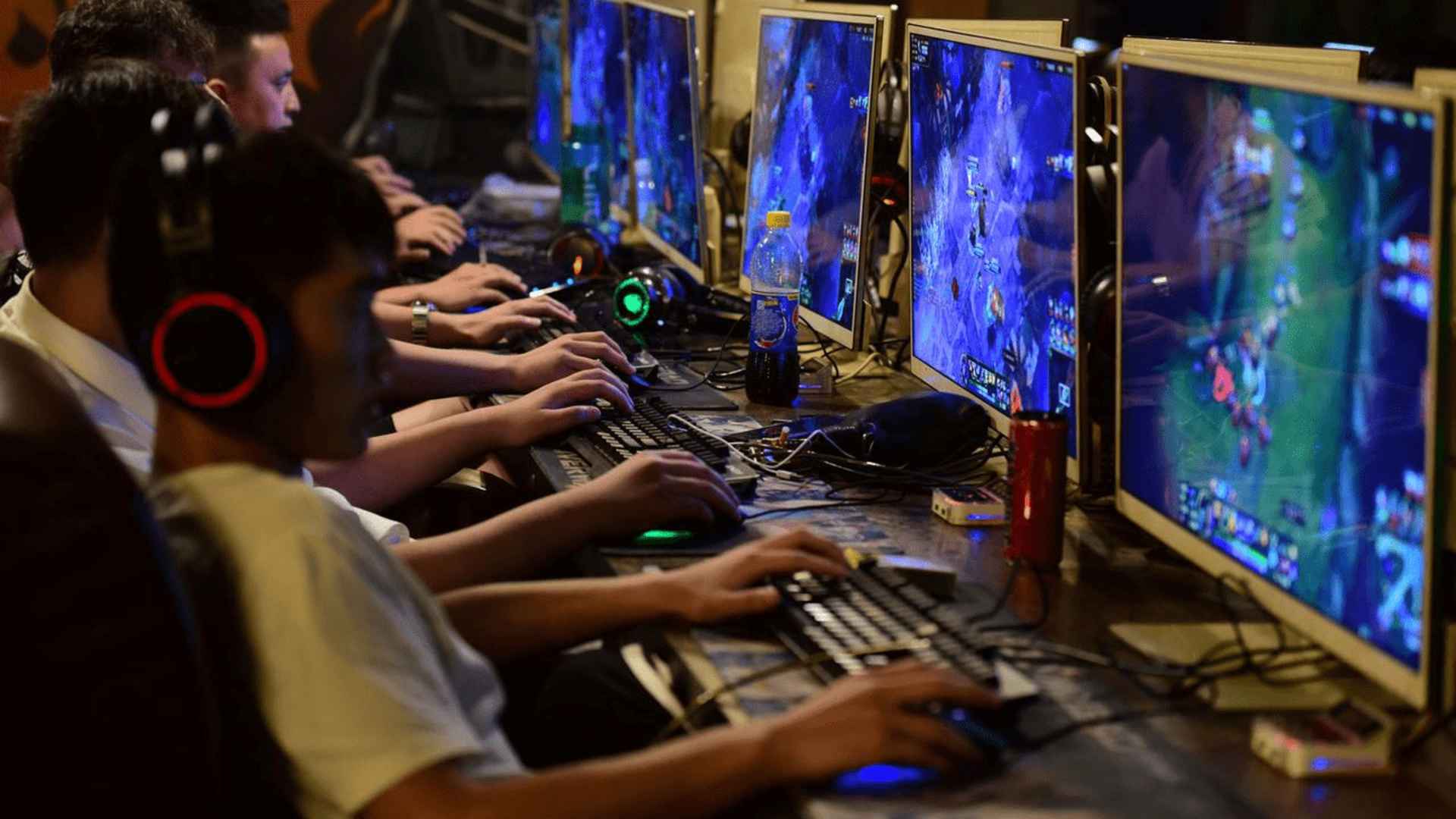
For a refreshing shift in focus, some gaming enthusiasts explore online platforms via an M88 login to test alternative forms of interactive entertainment. However, the tangible nature of physical cooperation remains uniquely effective for cultivating true team-based empathy. Working through an intricate puzzle together creates lasting interpersonal bonds while sharpening group communication skills.
Resource Management as a Catalyst for Ingenuity
Games centered around economic development and resource allocation provide excellent practice for optimizing limited assets under pressure. Players are frequently given fewer tools or turns than necessary, forcing them to find efficient and innovative combinations to achieve their goals. This scarcity encourages tactical efficiency, as traditional approaches rarely yield success against experienced opponents.
Furthermore, navigating asymmetrical player powers means that no two gaming sessions feel identical. Participants must constantly analyze their opponents' distinct abilities and adjust their own defensive measures accordingly. This ongoing cognitive workout ensures that players remain deeply engaged while building robust analytical habits.
Designing a Balanced Library for Cognitive Growth
Selecting the right titles for a personal collection depends largely on finding the perfect balance between simple rules and deep tactical freedom. Beginners often thrive with tile-placement or worker-placement systems that offer clear feedback loops for every decision made. As players grow more comfortable, they can gradually transition into complex political simulations or expansive fantasy narratives.
Investing in high-quality game designs with intuitive components significantly enhances the overall immersion and enjoyment of each session. A varied library ensures that you always have the right tool available to entertain guests while quietly exercising your creative mind. Ultimately, these analog experiences provide a timeless source of personal growth and meaningful social connection.