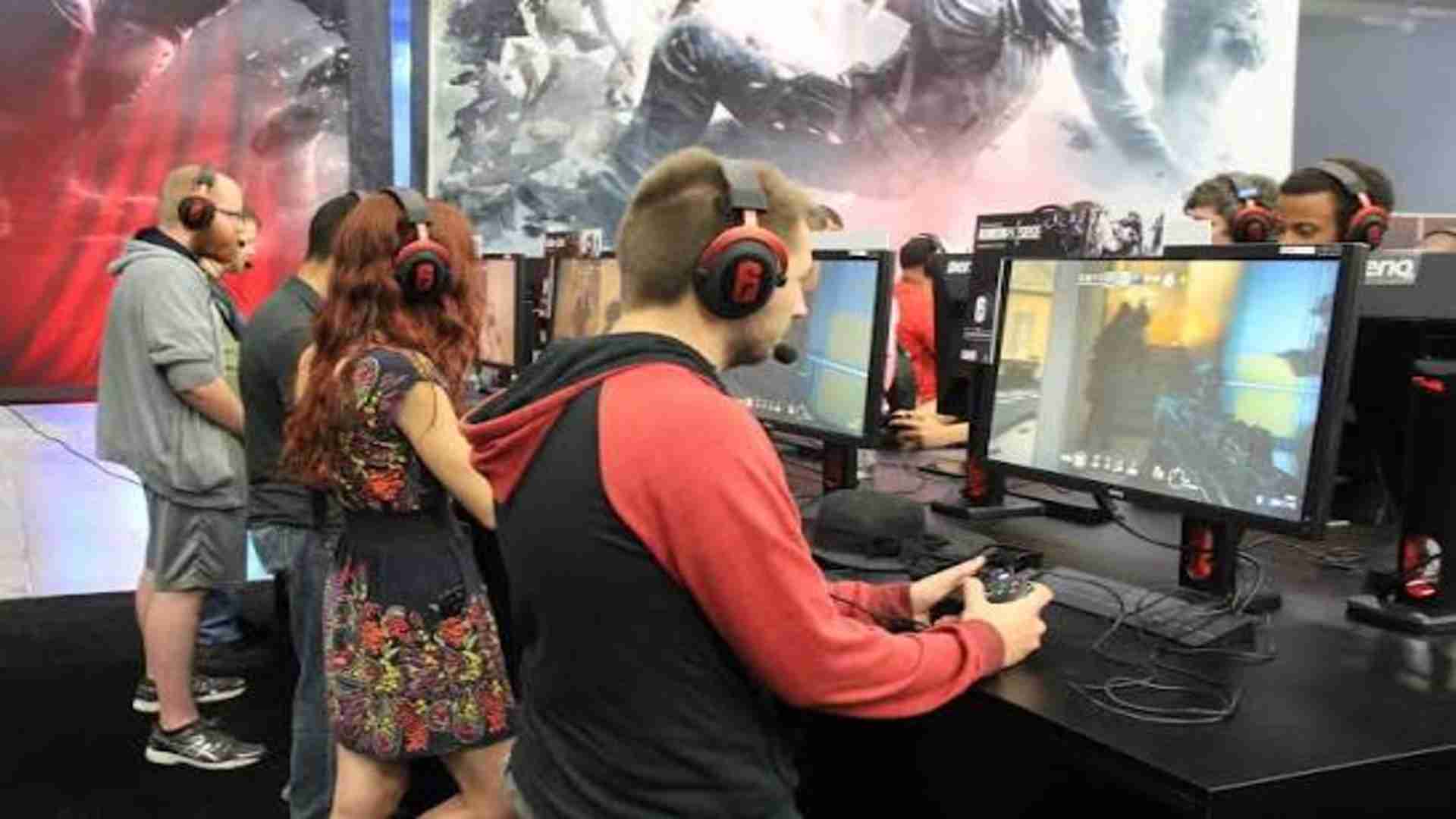
The transition of arcade gaming from physical coin-operated machines to high-speed digital platforms has revolutionized how players develop their motor skills. Modern online arcade challenges are specifically designed to push the boundaries of human reaction time through complex visual stimuli and rapid decision-making requirements.
The Science Behind Faster Decision Making
Engaging with fast-paced arcade titles requires the brain to process incoming sensory data and convert it into physical movement almost instantaneously. This constant loop of observation and action strengthens the neural pathways responsible for hand-eye coordination and spatial awareness.
Recent studies suggest that individuals who frequently participate in these digital challenges exhibit significantly lower response times compared to non-players. This improvement is not just limited to the game itself but often carries over into real-world tasks that require quick thinking.
By repeatedly facing unpredictable patterns and high-velocity obstacles, gamers learn to filter out distractions and focus solely on relevant information. This cognitive sharpening is a primary reason why many people choose arcade games as a productive form of mental exercise.
Core Mechanics of Reflex Based Gaming
The most effective reflex-building games typically involve high-density objects moving at varying speeds across the screen. These mechanics force the player to maintain a wide field of vision while simultaneously focusing on micro-movements for precise navigation.
As players advance through more difficult stages, the complexity of the patterns increases, requiring a higher level of rhythmic timing. Mastering these sequences is essential for achieving high scores and overcoming the most demanding obstacles in the digital landscape.
Platforms like M88 Mansion offer a diverse range of interactive environments where players can safely test their limits against increasingly difficult AI opponents. This variety ensures that the training remains effective by preventing the brain from becoming too comfortable with a single repetitive movement.
Visual Processing and Anticipation Skills
A crucial component of building fast reflexes is the ability to anticipate an event before it actually occurs on the screen. Experienced arcade players develop a sense of predictive logic, allowing them to move their avatars into the correct position based on subtle visual cues.
This skill, known as proactive response, is far more efficient than simply reacting to a stimulus that has already appeared. Developing this level of foresight requires significant practice and an understanding of game physics and environmental behavior.
High-definition graphics in modern browsers have made these visual cues more distinct, allowing for even more precise training sessions. These technical advancements ensure that the experience is both immersive and highly beneficial for cognitive development.
Balancing Speed with Accuracy
While speed is a vital part of the arcade experience, it is useless without the accuracy to navigate through tight spaces or hit small targets. The best challenges are those that penalize reckless movements while rewarding players who remain calm under intense pressure.
Maintaining this balance is what truly builds professional-grade reflexes, as it teaches the body to move quickly without losing control. This disciplined approach to gaming can lead to improved performance in various professional and athletic fields.
Ultimately, the digital arcade serves as a sophisticated laboratory for human performance, offering endless opportunities for self-improvement. By dedicating time to these challenges, anyone can see measurable improvements in their physical and mental responsiveness.